• Skip to primary navigation
  • Skip to main content
  • Skip to primary sidebar

Appliance. net

Appliance news, reviews, ratings, forums, reports and buyers guides.
Locate repairs and parts. for home and kitchen appliances.

  • About Appliance.Net
    • BestPrice Family
    • Contact
    • Become a Featured Dealer
    • Retailer & Repair Services Advertising
  • Shopping
  • Appliance Forum
  • Manufacturers
    • Manufacturers 800 Numbers
    • Aga
    • Bosch
    • Caldera
    • Dacor – The Life of the Kitchen
    • General Electric – GE
    • Jenn Air
    • Sears – Kenmore
    • Thermadore
  • Sections
    • Features
    • News
    • Recalls
    • Kitchen
      • Dishwasher
      • Ranges Ovens and Cooktops
      • Refrigerators and Freezers
      • Microwave Oven
    • Household
      • Consumer Electronics
      • Heating and Cooling
      • Vacuum Cleaners
    • Laundry
      • Washing Machine
      • Dryers
    • Safety
You are here: Home / Archives for NightOwl

NightOwl

Ahhh… Quiet Dishwashers

December 10, 2007 By NightOwl

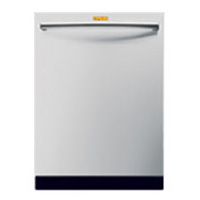
bosch 800 integra dishwasherOne of the best things about my Bosch dishwasher is its sound- or lack of it. My previous dishwasher could be heard throughout our house so we really appreciate the quiet.

Newer houses have open floor plans and consumers are looking for quieter appliances that allow families to work, talk and play without the noise older appliances make.

But building a quieter dishwasher is more about decibels than marketing. In the past 18 months, appliance makers have come together to create an industry standard for monitoring dishwasher sound levels after years of using their own criteria for measuring sound.

Older dishwashers — those 10 years old or more — have earsplitting decibels of 65 or higher. (The lower the decibel level, the quieter the machine.) Less expensive dishwashers crank out decibel levels above 60 decibels, while top-end models are comparatively whisper-quiet at 45 decibels.

The two main sources of dishwasher noise are the pump and water sloshing against the tub walls. To combat noise, manufacturers surround the noisemakers with a thick layer of mastic, a stiff insulator that muffles lower noise frequencies. The mastic is wrapped around the tub and pump compartments, then encased in a fluffy blanket of insulation to dampen higher frequencies.

Our Bosch is so quiet, I have mistakenly opened it mid-cycle, completely surprised it was running even though I was standing in front of it. Bosch has became aware of this happening in many households and added an”on” light that shines on the floor when the washer is running.

A dishwasher so quiet, you don’t know it’s on…you gotta love it.

Filed Under: Dishwasher, Kitchen Tagged With: bosch dishwasher, quiet dishwasher

Energy Aware Appliances can Help Save Power Grid

December 7, 2007 By NightOwl

This may sound too good to be true, but its not. The future may be bringing us appliances that can sense when the national power grid is over-taxed and switch off or down to reduce energy use.

 Scientists from Pacific Northwest National Laboratory in Richland, Wash., found that providing homeowners with smart appliances and information on how to save money cut their energy costs but also reduced overall power consumption during peak use periods, when the nation’s aging power grid is most susceptible to breakdowns.

 The whole story is here, and is an easy and informative read.  I would be more than happy to have a dryer that might, if the need arises, shift in mid load to tumbling without heat for a short while, or have my refrigerator compressor run a bit less if it meant saving energy and possibly preventing a large power outage.

Filed Under: Kitchen, Laundry, News, Refrigerators and Freezers, Washing Machine

Air Cleaners – What You Need to Know

December 6, 2007 By NightOwl

Many people believe that an air cleaner will help their family be healthier.  Using an air cleaner or air purifier in your home supposedly helps reduce dust, pollen and other respiratory irritants.  There are three types of air cleaners,  High Efficiency Particulate Air (HEPA) filters, electrostatic precipitators, and ozone generators.

From the Arizona Daily Star:

1. High Efficiency Particulate Air (HEPA) filters: Consumer Reports says air cleaners with these filters are among the best performers. But homeowners can more easily improve their indoor air with other methods, such as banning indoor smoking, keeping pets out of bedrooms, removing carpeting and other dust-mite havens and opening windows, the magazine says.
2. Electrostatic precipitators: They apply an electrical charge to particles and deposit them onto filters. They commonly emit small amounts of ozone as a byproduct. This month, Consumer Reports withdrew its endorsement of them after 15 years of recommending some models, saying, “We now believe that air purifiers that emit even small amounts of ozone are not your best choice.”
Ozone is a common air pollutant, an indicator of smog’s presence. The Environmental Protection Agency says that relatively low ozone levels can cause respiratory problems.
3. Ozone generators: Manufacturers say that ozone will purify the air, but Consumer Reports recommends against such machines, saying its tests have found that their ozone production generally exceeded federal Food and Drug Administration limits of 50 parts per billion set for medical devices. The California Air Resources Board just approved new rules, requiring such generators to limit ozone to 50 ppb by Dec. 31, 2008.

Newer houses with better insulation, double-paned windows and weatherstripped doors save energy, but they also seal pollutants into our homes. I try to limit my impact on the environment. Air cleaners are just another electronic device to run, with uncertain results. My choice is to vacuum and wash floors and bedding regularly and to open windows daily. Those are results you can see.

Filed Under: Heating and Cooling, Household, News, Reviews, Small Appliances

Heater Safety

December 5, 2007 By NightOwl

As the days get colder, many people are bringing their electric heaters out for the season. Give Space Heaters Space The Association of Home Appliance Manufacturers (AHAM), the “best source of information about home appliances and the industry www.heatersafety.org. Tip number seven is one people might not be aware of:

Unless the heater is designed for outdoor use or in bathrooms, DO NOT use in damp or wet areas. Parts in the heater may be damaged by moisture.

Have a warm and safe winter!

Filed Under: Consumer Electronics, Heating and Cooling, Household, News, Small Appliances

Review: KitchenAid Artisan Stand Mixer

December 4, 2007 By NightOwl

KitchenAid produces a whole line of stand mixers with a range of sizes and power to suit your particular needs. Recently, we reviewed the KitchenAid Professional 600 series here and found it to be a powerhouse that can tackle truly large jobs with ease. Now we’ll take a look at the Artisan stand mixer, also a KitchenAid product.

The Artisan has a 5 quart capacity bowl which can knead 9 cups of flour with its 67 point planetary mixing action. Our first thought on seeing this beauty was that it seemed small enough to be used in most any size kitchen, yet sturdy enough to tackle any job. So we put it to work.

Let’s start with ease of use- the dough hook, flat beater, and wire whip all attach with a simple push and twist. Just reverse the maneuver to remove them. The bowl also stays put easily with a counterclockwise turn to lock it in place. The rubberized feet keep it from moving around while mixing heavy doughs. We tested this while making 9 cup batches of bread dough and this machine performed beautifully, producing a firm dough in just about 5 minutes without even getting warm. Although the Artisan weighs over 22 pounds, I did not find it too difficult to maneuver around the countertop.

We put this mixer through a range of jobs, using the whip, dough hook and flat beater all of which come with the mixer. We brought egg whites to very stiff peaks in under 5 minutes, mixed countless batches of cookies, cakes, and loaves of bread. One my new regular tasks for this mixer is making our favorite banana bread by using the flat beater to mash the bananas first, and then adding the rest of the ingredients to the bowl. It comes out great and I have only one dirty bowl to wash. Each experience endeared this machine to me more.

I am a hardcore mix-by-hand baker and use a hand mixer sparingly for jobs like meringues and whipped cream, but this mixer has changed the way I bake. If you are a frequent baker and have the space (Maybe you can make the space!) to leave this out on the counter, I believe you will find that you turn to it as your first choice for mixing.

Product Features

Mixer Style Tilt-head
All-Metal Construction
Direct Drive Transmission
Bowl Finish Polished Stainless Steel
Bowl Handle Contoured
Motor Wattage 325 Watts
Flour Power™ Rating 9 Cups
Mixing Bowl Capacity 5 Quart
Planetary Mixing Action 67 Point
Mixing Speeds 10
Multi-purpose Attachment Hub
Flat Beater
‘C’ Dough Hook
Wide Chute Pouring Shield
5 Qt. Stainless Steel Bowl w/Handle
Wire Whip
Weight 22.8 US pound
Depth 14 3/32 in.
Height 13 29/32 in.
Width 8 21/32 in.

If you want to read more about the Artisan Stand Mixer, click here for the Care and Use Guide.

Filed Under: Cooking, Features, Kitchen, News, Reviews, Small Appliances Tagged With: artisan, kitchenaid, stand mixer

Samsung SilverCare Washer – Does it Work?

December 3, 2007 By NightOwl

Invisibly small silver ions that eliminate bacterial growth that cause odor are the idea behind Samsung’s SilverCare washer. Channel 4 news in New York met with Consumer Reports who conducted a study on the washers. See their report here.

Filed Under: News, Reviews, Video, Washing Machine Tagged With: Samsung SilverCare Washer

How Microwave Ovens Work

November 30, 2007 By NightOwl

We use them almost daily and yet many people have no idea how a microwave oven works.  Here are the basics courtesy of the folks at HowStuffWorks.com:

A microwave oven uses microwaves to heat food. Microwaves are radio waves. In the case of microwave ovens, the commonly used radio wave frequency is roughly 2,500 megahertz (2.5 gigahertz). Radio waves in this frequency range have an interesting property: they are absorbed by water, fats and sugars. When they are absorbed they are converted directly into atomic motion — heat. Microwaves in this frequency range have another interesting property: they are not absorbed by most plastics, glass or ceramics. Metal reflects microwaves, which is why metal pans do not work well in a microwave oven.
You often hear that microwave ovens cook food “From the inside out.” What does that mean? Here’s an explanation to help make sense of microwave cooking.
Let’s say you want to bake a cake in a conventional oven. Normally you would bake a cake at 350 degrees F or so, but let’s say you accidentally set the oven at 600 degrees instead of 350. What is going to happen is that the outside of the cake will burn before the inside even gets warm. In a conventional oven, the heat has to migrate (by conduction) from the outside of the food toward the middle (See How a Thermos Works for a good explanation of conduction and other heat transfer processes). You also have dry, hot air on the outside of the food evaporating moisture. So the outside can be crispy and brown (for example, bread forms a crust) while the inside is moist.

In microwave cooking, the radio waves penetrate the food and excite water and fat molecules pretty much evenly throughout the food. No heat has to migrate toward the interior by conduction. There is heat everywhere all at once because the molecules are all excited together. There are limits, of course. Radio waves penetrate unevenly in thick pieces of food (they don’t make it all the way to the middle), and there are also “hot spots” caused by wave interference, but you get the idea. The whole heating process is different because you are “exciting atoms” rather than “conducting heat.” 

In a microwave oven, the air in the oven is at room temperature, so there is no way to form a crust. That is why microwavable pastries sometimes come with a little sleeve made out of foil and cardboard. You put the food in the sleeve and then microwave it. The sleeve reacts to microwave energy by becoming very hot. This exterior heat lets the crust become crispy as it would in a conventional oven.

Filed Under: Kitchen, Microwave Oven, _ Tips

Brewing the Perfect Cup of Coffee

November 29, 2007 By NightOwl

If you want know how to do something right, ask an expert.  The experts at Krups, the manufacturers of both commercial and home coffeemakers, offer these tips for great brewing:

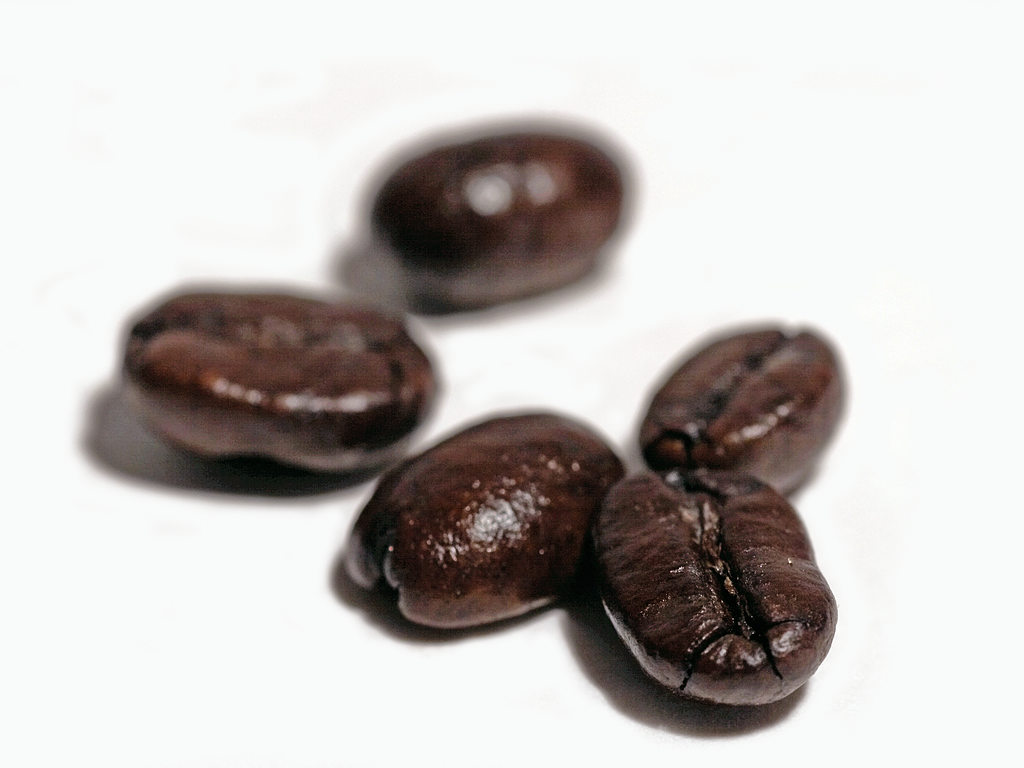
1. The Coffee Beans Whole beans stay fresh longer
 It is best to buy as soon after roasting as possible. Ideally, you should purchase your coffee fresh every 1 – 2 weeks; and buy only the quantity that you need to last for that period of time.

2. The Grind
 Always grind your beans as close to the brew time as possible.

Do not underestimate the importance of the grind to the taste of your coffee. They type of grind used in a particular machine can alter the taste and flavor of coffee. The general “rule of thumb” is the longer the extraction period (the time water spends in contact with the grounds) the coarser the grind should be. Generally coffee is finely ground for espresso and coarsely ground for a French press machine. Drip coffee machines fall somewhere in the middle. Experiment with the grind and your favorite coffee to get the perfect result. If you have your coffee ground in the store, specify the grind or let them know what type of machine you are using so they can grind accordingly.

3. The Water
 The water you use is VERY important to the quality of your coffee. Its best to use filtered or bottled water. If you are using tap water let it run a few seconds before filling your coffee pot. Be sure to use cold water. Do not used distilled or softened water. Some Krups coffee machines use a unique filtration system that removes traces of chlorine for a better taste and reduces mineral deposits for longer machine life. The ratio of coffee to water is also very important. Use the proper amount of coffee, which is typically 1 to 2 tablespoons of ground coffee for every six ounces of water. This can be adjusted to suit individual taste preferences. Be sure to check the “cup” lines on your brewer to see how they actually measure.

4. Water Temperature During Brewing
 Your coffee machine should obtain a water temperature between 195 – 205 degrees Fahrenheit when brewing. Water temperatures below this temperature will result in flat, weak coffee while water that is too hot will scald the grounds and result in poor tasting coffee.

5. Brewing Time
 The amount of time that the water is in contact with the coffee grounds is another important factor affecting the taste of your coffee. If the taste of your coffee is not optimal, it is possible that it is either over-extracting (the brew time is too short). the type of filter used – gold tone, paper, flat or cone – also effects the contact time. Experiment with the contact time until you can make a cup of coffee that suits your tastes perfectly.

Krups’ Deep Brew Technology, a feature of most Krups coffee machines, eliminates any room for error because it heats water to an ideal temperature, then pulses it through the coffee grounds at precisely timed intervals, resulting in rich, fully flavored coffee.

6. After Coffee Has Been Brewed
 Brewed coffee should be enjoyed immediately. It is recommended to use a pre-heated mug or coffee cup to maintain optimal temperature. If the coffee is not served immediately, it is recommended to pour the coffee into an insulated thermos and serve within 45 minutes. Remember: never reheat your coffee. Thermal coffee machines, such as the Krups Aroma Control Therm, are an ideal way to brew and store coffee while maintaining freshness because it does not require a warming plate which makes coffee bitter over time.

7. Enjoy Your Coffee!
 Take a moment to smell the aroma and taste the flavor. A thoughtfully prepared cup of coffee will make for a much more enjoyable coffee experience.

Filed Under: Cooking, Kitchen, Small Appliances, _ Tips

Bigger, Faster, Better

November 27, 2007 By NightOwl

The basic appliances in our homes are becoming less basic each year. Refrigerators are getting larger with separate temperature zones, dishwashers sanitize dishes and washers clean with less water than you would think possible.

Let’s start with washers. At the Columbus Dispatch , Kevin Kidder writes:

About 30 percent of washers sold are front loaders, which use 65 percent less water and 35 percent less electricity.

The complaint against front loaders used to be that putting clothes into them was a pain.

But manufacturers have added up to 18-inch pedestals on the bottom, elevating the machine and easing the strain on aching backs.

The machines achieve their efficiency through the horizontally oriented tubs, which don’t need to fill to wash clothes. They also spin faster than predecessors, meaning more water is removed from the fabric before it goes into the dryer.

Refrigerators aren’t just larger, they are 45% more efficient than they were in 1990. Another nod to saving resources is filtered water through the fridge. No more buying bottled water.

For those consumers who are concerned about the air in their refrigerator, “Sub-Zero will offer an ‘air-scrubbing system’ to eliminate bacteria and odor in the refrigerator air. The molecules from those odors won’t settle on the foods, altering the flavors.” One really big change in refrigerators is “new refrigerator drawers, which are stand alone units that, as the name would suggest, are shaped like under-the-counter drawers. They are about 2 feet wide, pull out like a drawer and have several cubic feet of storage.”

Moving on to ranges and ovens,

Ovens now commonly have convection fans that reduce cooking times. Many are dual-fuel — electric oven, gas range — combining the best methods of cooking for each. Electric ovens require 220-volt outlets.

Some ovens also have accompanying warming drawers, designed to stay lower than 200 degrees.

Some newer models keep foods moist by injecting steam into the cooking cavern.

Using steam preserves the nutrients in vegetables and is good for other foods that need moisture such as souffles, said Sue Scatterday, commercial sales specialist with Builders Appliance Supply on the Far East Side.
With ranges, an older technology from the 1970s — induction cooking — has been refined and could be the next big trend in stovetop cooking. With induction cooking, magnetic fields heat the iron cooking pot directly; the surface of the range remains cool to the touch.

Gas ranges have evolved, as well. More people want the professional look of industrial burners and stainless steel.

With those higher temperature burners, hoods have become more powerful yet quieter.

“Because we’re seeing so many, we stress that you need the large hoods,” she said. And because newer houses are so airtight, some people actually need “air makeup systems” that allow air to flow into the house so the hood can work properly.

Then we have dishwashers- the newer ones are drying hotter and using 39% less energy than in 1990. Dishwashers are also available in under-the-counter drawer styles, allowing for multiple work stations in kitchen design. I’m personally especially pleased with how quiet the new dishwashers are.

Today’s appliances are performing better, more efficiently, and with less effort than ever.

Filed Under: Cooking, Dishwasher, Gas Range, Kitchen, News, Oven, Refrigerators and Freezers, Washing Machine

Great Music, Great Gift

November 26, 2007 By NightOwl

The Sansa Shaker is a little, pink or blue, kid’s dream come true. I’ve listened to it with my kids-it comes with ports for two headsets- and the sound is fabulous! Sansa Shaker It retails for around $29-$39 depending on the memory you want. Check out a comprehensive review at TechTalk.net. This MP3 player is fun, easy to use and well priced.

Filed Under: Consumer Electronics, Household, Multimedia, News

  • « Go to Previous Page
  • Go to page 1
  • Interim pages omitted …
  • Go to page 53
  • Go to page 54
  • Go to page 55
  • Go to page 56
  • Go to page 57
  • Interim pages omitted …
  • Go to page 64
  • Go to Next Page »

Primary Sidebar

[footer_backtotop]

© 2006-2019 Appliance.net · Log in