• Skip to primary navigation
  • Skip to main content
  • Skip to primary sidebar

Appliance. net

Appliance news, reviews, ratings, forums, reports and buyers guides.
Locate repairs and parts. for home and kitchen appliances.

  • About Appliance.Net
    • BestPrice Family
    • Contact
    • Become a Featured Dealer
    • Retailer & Repair Services Advertising
  • Shopping
  • Appliance Forum
  • Manufacturers
    • Manufacturers 800 Numbers
    • Aga
    • Bosch
    • Caldera
    • Dacor – The Life of the Kitchen
    • General Electric – GE
    • Jenn Air
    • Sears – Kenmore
    • Thermadore
  • Sections
    • Features
    • News
    • Recalls
    • Kitchen
      • Dishwasher
      • Ranges Ovens and Cooktops
      • Refrigerators and Freezers
      • Microwave Oven
    • Household
      • Consumer Electronics
      • Heating and Cooling
      • Vacuum Cleaners
    • Laundry
      • Washing Machine
      • Dryers
    • Safety
You are here: Home / Archives for Cooking

Cooking

Slow Cooker Tips

December 27, 2007 By NightOwl

The wind is blowing here, the temperature is dropping and we’re expecting rain.  On days like this we look forward to hot, comforting dinners.  A slow cooker (Crock-pot is one brand) is a convenient way to have that satisfying dinner ready when you come home at night.

Here are some helpful tips for making your slow ccoker dinner simple and tasty.

  • Less tender cuts of meat such shoulder, chuck roast, brisket and poultry legs work best for slow cooking.
  • Fish and seafood are not well suited unless they are added during the last hour or so of cooking.
  • Ground meat is also not recommended as the texture changes during long cooking and becomes mealy.
  • Slow cooking tends to intensify flavors, especially black pepper, chili pepper and garlic.  Dried herbs may loose some flavor with long cooking times and fresh herns are best if added right near the end of the cooking.
  • It’s not necessary, but flouring and browning meat for stews will add a richer flavor and color and will help to thicken the sauce.  Be sure to scrape the browned bit from the bottom of the pan to add to the pot.
  • Plastic liners are available in the foil aisle of most major grocery stores.  They make clean-up almost nonexistent.
  • To ensure even cooking, be sure to fill the cooker at least halfway, but not to the brim.  also, try not to stir as it will break up the vegetables.
  • It generally works best to place the vegetables (chunks of carrot potato and onion, for example) on the bottom of the pot followed by a layer of meat.
  • Meals can be made even easier by prepping many of the ingredients the night before and then just adding them to the pot straight from the fridge the next morning.

One of my family’s favorite slow cooker meals is exceptionally easy.

Bar-B Que Beef

Place chunks of carrot, potato, and onion on the bottom of the slow cooker,
cover with a layer of beef short ribs or stew meat. Cover with one bottle of your favorite bar-BQue sauce and an equal amount of your favorite beer. Cook 8-10 hours on low or 4-5 hours on high. Vary the amounts to suit your personal needs and tastes.

Filed Under: Consumer Electronics, Cooking, Features, Kitchen, Small Appliances, _ Tips Tagged With: crock pot, slow cooker, slow cooker tips

Make a Solar Oven- Have Fun with a Different Take on Boxing Day

December 25, 2007 By NightOwl

Tis the season for too many empty boxes around the house.  Tis also the season for trying to figure out what to do with the kids home from school.  If you are feeling adventurous, here are the step-by-step instructions for using some of those boxes to create your own solar oven. 

Things You’ll Need

  • Aluminum Foil
  • Cardboard
  • Large And Small Cardboard Boxes
  • Non-toxic Glues
  • Non-toxic Invisible Tape
  • Plastic Wrap
  • Scissors
  • Newspaper
  • Pencils
  • Black Construction Paper
  • Staplers

Steps

Step One

Find two boxes. One should fit inside the other with a 2- to 3-inch space on each side. (This can vary slightly – the space will be filled with newspaper.)

Step Two

Line the bottom of the large box with crumpled newspaper.

Step Three

Place the smaller box inside the large box.

Step Four

Fill the space between the sides of the two boxes with crumpled newspaper.

Step Five

Line the sides of the inside of the smaller box with aluminum foil. You can use a non-toxic tape or fold the edges of foil over the top of the box to hold it in place.

Step Six

Line the bottom of the inside of the smaller box with black construction paper to absorb heat.

Step Seven

Lay a piece of cardboard on top of the large box and trace the shape of the box onto the cardboard.

Step Eight

Add 2 inches around the trace line and cut out to make a reflector.

Step Nine

Cover the cardboard piece with aluminum foil. Smooth out any wrinkles and secure the aluminum foil to the cardboard with non-toxic glue or tape.

Step Ten

Staple the reflector to the outside back of the large box.

Step Eleven

Situate the oven with the box opening up and the reflector facing the sun for maximum heat.

Step Twelve

Place food to be cooked in the solar oven.

Step Thirteen

Stretch clear plastic wrap across the top of the large box. Secure the plastic with tape around the entire box.

Tips & Warnings

  • Cooking time is about twice as long as in a conventional oven.
  • Preheating takes about 30 minutes.
  • Use bigger boxes for a larger oven.
  • A small pizza box oven is good for kids to make s’mores or mini-pizzas.
  • Do not use any materials that could give off toxic fumes when heated, such as duct tape or Styrofoam.
  • Do not use a solar oven for foods that must reach a high temperature or cook rapidly.

 Ehow.com has step-by-step instructions on how to use your solar oven, including recipes for s’mores and chocolate cake.

Filed Under: Cooking, Features, Household, Kitchen, Oven

Fire Safety – Prevent Kitchen Fires

December 23, 2007 By NightOwl

The San Mateo County Fire Department has some important safety tips for cooking during this busy holiday season.

How often has the doorbell rung or a child interrupted you while you were cooking, causing you to forget about the chicken you left sizzling on the stove – until smoke filled the house?  If this scenario or a similar one doesn’t sound familiar to you, you may want to think about it a little more because it’s likely that you, a friend, or family member has run the risk of having a dangerous fire.

Cooking is the leading cause of home fires, according to the National Fire Protection Association (NFPA). The latest statistics from NFPA say that one out of every three home fires started in the kitchen and more than 100,000 fires a year were related to cooking.

Here are a few safety tips to remember:

  • Stay in the kitchen when you are frying, grilling, broiling, or boiling food. If you must leave the the room even for a short period of time, turn off the stove.
  • Keep cooking areas clean and clear of combustibles (e.g. potholders, towels, rags, drapes and food packaging).
  • Keep children away from cooking areas by enforcing a “kid-free zone” of three feet around the stove.
  • If you have a fire in your microwave, turn it off immediately and keep the door closed. Never open the door until the fire is completely out. If in doubt, get out of the home and call 911.
  • Always keep an oven mitt and a lid nearby. If a small grease fire starts in a pan, smother the flames by carefully sliding the lid over the pan (make sure you are wearing the oven mitt). Turn off the burner and slide the pan off the burner.
  • Never pour water on a grease fire. If the fire does not go out, get out of the home and call 911.
  • If an oven fire starts, turn off the heat and keep the door closed to prevent flames from burning you or your clothing. If the fire does not go out, get out of the home and call the fire department.
  • To avoid the accumulation of grease, always clean the vent screen above your stove. You can put these in the dishwasher! If you cook frequently with oils, butter, and grease, make sure to clean it at least once a month.
  • Keep a fire extinguisher in the kitchen and learn how to use it.

Filed Under: Cooking, Gas Range, Household, Kitchen, Microwave Oven, _ Tips

Recall: Pressure Cookers By Manttra Inc. Due to Burn Hazard

December 21, 2007 By NightOwl

Name of Product: Pressure Cookers

Units: About 38,250

Importer: Manttra Inc., of Virginia Beach, Va.

Manufacturer: TTK Presitge Ltd., of India

Hazard: If the pressure cookers are not closed properly, the lid can separate and allow hot contents to spill out. This poses a risk of burns to consumers.

Incidents/Injuries: Manttra has received two reports of hot contents spilling out of the pressure cookers, resulting in minor burn injuries.

Description: This recall involves Manttra Smart Series five-piece stainless steel multi cooker sets. The set includes a pressure lid, glass lid, steamer basket, wire trivet, and stock/pressure pot. Model/code number 38270 is stamped on the base of the 8-quart stainless steel cooker.

Sold at: Kohl’s, Robinson’s, Sears and Carson Pirie Scott stores nationwide from June 2003 through April 2007 for between $70 and $100.

Manufactured in: India

Remedy: Consumers should immediately stop using the pressure cookers and contact Manttra Inc. to receive a new replacement pressure valve (ZPD valve).

Consumer Contact: For additional information, contact Manttra Inc. toll-free at (877) 962-6887 between 9 a.m. and 5 p.m. ET Monday through Friday, or visit the firm’s Web site at www.manttra.com

Picture of Recalled Pressure Cookers

Filed Under: Cooking, Kitchen, News, Recalls, Small Appliances

Toastmaster Bread Machine Review

December 19, 2007 By NightOwl

AmericanChronicle offers this review of the toastmaster bread machine which is an option if you are looking for a less expensive bread machine than the Cuisinart that we reviewed here.

A Toastmaster bread machine is cheap to buy. This combined with their standard features makes these appliances attractive to buyers. But there are other cheap bread makes on the market and these can be a better bet than a Toastmaster. Here’s a reviews of the two best sellers.

Just because they’re cheap doesn’t mean you have to sacrifice a lot of functionality; you’ll be surprised at the amount features that come as standard on a Toastmaster breadmaker. The following appliances both do a good job at baking bread and many consumers are happy with their overall performance. The following review is for two models currently available from the Toastmaster range – the TBR15 and the TBR20 – and how they compare with a rival brand.

The Toastmaster TBR15 Bread Machine

This appliance currently retails for around $40 plus. It comes with an 80 minute quick bake cycle and can bake a loaf as large as 1.5lbs. You get a large viewing window and its pretty compact at 13″h x 13″w x 11.75″d. It comes with a fairly impressive list of 8 cycles; basic, whole wheat, French, Sweet, fast bake, Quick Bread, dough and bake. These are pretty much going to satisfy all but those that take home baking very seriously.

The cost of the TBR15 puts it in competition with the Sunbeam 5891 bread machine. The Sunbeam also comes with a quick bake – only 58 minutes, so it’s quicker. Also, it’s more versatile as it can bake either 1.5 or 2lb loaves. It also beats the TBR15 when it comes to the choice of cycles; there are 12 in all – including one for making jam.

Both machines have their drawbacks, the biggest being that they can sometimes fail to mix all the ingredients together so you end up with floury corners on the loaf – unless you manually intervene during the first mixing stage. But, this is a fairly common complaint with horizontal bread machines that use only one mixing paddle; even more expensive brands have this problem.

The Toastmaster TBR15 does have one main plus point over the Sunbeam 5891; its instruction book is far superior. It would be fair to say that the Sunbeam is pretty hopeless as it gives contradictory advice and has a very limited recipe list.

But, if you’re going to be spending this little on a bread maker, you’re best choice is the Sunbeam.

The Toastmaster TBR20 Bread Machine

This is a slightly more expensive machine and it currently retails at $55 plus. It can bake either 1, 1.5 or 2lb loaves. You also get a delay timer of 13 hours and a touchpad with digital readout. However, you still only get the 8 programs available on the TBR15 model. Its closest competition is the Oster 5838 ExpressBake bread machine. The Oster retails for around $10 – $20 more. It can also bake 1, 1.5 and 2lb loaves and has a 13 hour delay bake option. But it out does the Toastmaster on the selection of cycles that are available; the Oster has 18 cycles.

It’s a close call as to which is the better appliance. Personally, I prefer the Oster breadmaker but both models perform equally well and the TBR20 is cheaper. If you’re satisfied with the 8 cycles then the Toastmaster bread maker is probably the best option.

Both the TBR15 and the TBR20 Toastmaster bread machine are low priced but good appliances that get a decent rating on many customer reviews. But I would say forget about the TBR15; either upgrade to the TBR20 or buy the Sunbeam bread machine instead.

Filed Under: Consumer Electronics, Cooking, Household, Kitchen, News, Small Appliances

Review: Cuisinart CBK-200 Bread Machine

December 19, 2007 By NightOwl

The BreadMachineDigest, which is a very complete resource for bread machines, offers this review of a Cuisinart bread machine:

The Cuisinart CBK-200 bread machine is an interesting machine. It offers several features that are not available on any other machine. Features like convection baking for a more evenly browned and crispier crust. A beep signal when the final kneading is done telling you, you can now remove the kneading paddle from the pan so that you don’t have a large whole in the bottom of your loaf. It also has cycles for low-carb, gluten free, and artisan breads.

The machine itself is quite typical. It is a box shape with the standard side control panel. It has a small LCD screen that gives you the time remaining, the loaf size, crust color and where you are in the cycle information. To choose a cycle you just select the number that corresponds to the cycle you want. For example white is 1, low-carb is 8, etc. You set the number for the cycle you want using a menu button. Each time you press the button a different cycle number is selected.

There are also buttons for crust color, loaf size, delay timer as well as one to turn on and off the mix-ins option. The mix-ins option causes an alert beep to sound which tells you when in the cycle to add things like raisins, nuts, etc. The last two buttons are start and stop/pause. Overall the controls are easy to figure out and use.

This machine has a total of 101 cycles. However, this is a bit misleading because like some other companies Cuisinart counts variations to the main cycles as cycles. For example white bread with a 1 pound recipe and a light crust is one cycle and white bread with a 1-1/2 pound recipe and a light crust is another. If you forget about the variations this machine has a total of 16 cycles which includes:

White, rapid white, whole wheat, rapid whole wheat, French/Italian, rapid French/Italian, quick bread/cake, low-carb, gluten free, dough/pizza dough, artisan dough, sweet breads, rapid sweet breads, jam, last minute loaf, bake only.

Like some other machines on the market this one has a power failure backup feature. Should the power to the machine be disrupted it will store in memory the stage of bread making cycle and resume once the power is restored. However, unlike some other machines this backup feature is good for only 15 minutes. If the power stays out for longer than that you are out of luck.

The pan in the Cuisinart CBK-200 is called a horizontal pan by Cuisinart. However, to me it is a hybrid of the horizontal and vertical pan. This machine doesn’t make quite a horizontal loaf or a vertical loaf, it makes loaves that are some place in between. The pan in fact is the same size and shape as many of the pans included with Breadman machines like the Breadman Ultimate. It is also a single paddle pan. I don’t like this style of pan. During my testing of this machine I made 30 recipes, every single one of them required me to scrape some of the ingredients out of the corners of the pan. Had I not stuck around to do this, the loaves would have come out with floured corners. I really wish companies would either do vertical machines or true horizontal machines with dual paddles. These hybrids are a pain.

All of the recipes I made turned out great. The machine once you have all of the ingredients incorporated in to the dough kneads very well and makes a nice dough. It has no problems with white bread dough, egg bread dough, whole wheat or any of the other 30 types of bread I made.

I also have to give high praise for the convection bake feature. While I still prefer to make the dough in the machine and bake the loaf in my regular oven, the convection feature made for a much nicer and evenly browned crust. It was also crisper which quickly faded as the loaf cooled thanks to the steam.

Now for the real down side, this is one very unattractive looking machine. I think Cuisinart tried to make it look retro. However, in doing so they placed black trim all around the top of the machine (see the picture) and in doing this they made it the all time hardest machine to clean. Sooner or later you are going to need to clean flour off the top of this thing and because of the black trim it is going to be a real time consuming pain. I ended up using Q-Tips to get the thing clean. And, as I said this is in my opinion one of the most unattractive machines ever put on the market.

Would I recommend this machine? It depends, if you need its unique features like convection bake, low-carb or gluten free cycles then yes. I say go for it. If none of those features is something you are frothing at the bit for then I would recommend you look at something else. Something with a better pan and something that will be easier to clean. Finally, it comes with a very nice users guide and recipe book. I am very impressed with the number of recipes included and how diverse the recipes are. I give Cuisinart a round of applause for this excellent collection of recipes.

Review written by Robert Barnett.

Filed Under: Cooking, Kitchen, Reviews, Small Appliances

These are a Few of My Favorite Things – Part Two

December 18, 2007 By NightOwl

A while ago we asked readers to let us know which small appliances they think are most important in their kitchens. Little-known-food-facts.com has compiled a list of their choices:

When it comes to small appliances, there are 6 must haves to every kitchen. Yes an automatic Can Opener is nice as is the plug in cutting knife for Turkey Dinner. But what about the Real Stuff?

The small appliances that allow us to cook entire meals or at least accent them with simple cooking uses. Do not get me wrong. I use my coffee maker every morning but I do not consider that a cooking tool.

The #6 Must Have For Your Kitchen: Popcorn Maker. First these are cheap. For less then $15 for the maker you can have healthy homemade popcorn in less then 5 minutes. It will not contain anything except what you put in it. That means there is no extra preservatives or unwanted salt.

The #5 Must Have For Your Kitchen: The Blender. I love my blender. You can use them to make almost anything. I use it to make sauces and dips, fruit drinks in the summer, mix a salsa or puree my tomatoes for a Lasagna. A blender is one of my most favorite small appliances.

The #4 Must Have For Your Kitchen: The Toaster Oven. Yes, not just for pastry cooking or roasting toast. You can warm toast and melt cheese or even cook a wrap in it. This small appliance makes life a simple task when it comes to cooking. Making open faced sandwiches is a snap when you have a toaster oven.

The #3 Must Have For Your Kitchen: The Indoor Grill. I personally have a “George” and I secretly love him. This is great for cooking meats of an inch and a half thick or making toast. I have made vegetables in it however, I always manage to cook it a little longer then I should. My grill comes with a bread warmer on top and is an easy to clean tool.

The #2 Must Have For Your Kitchen: The Slow Cooker. You can make anything from a lasagna to a banana nut bread in this. Ok so you can not make a steak dinner with sauteed onions and mushrooms but you can sure make the potatoes in it! The Crock Pot allows you safe cooking all day while you are at work.

The #1 Must Have For Your Kitchen: The Food Processor. When it comes to home cooking, everyone should have a Food Processor. This tool is essential to someone who has arthritis or just general trouble cutting. The right one can do nuts, cabbage, shred cheese, and peppers, the list goes on. There is almost no food that a food processor cannot slice, dice, or chop. It can be used to make soup, salads, and lasagnas. Well any meal really!

When it comes to the kitchen, just like a hot stove there is no playing around. Having the right tools will ensure that you have the right meals and having the right ingredients can give you a taste and dinner no one will ever forget.

Every kitchen should have these tools and by having them will give you a chance to create almost any meal. Ah, well! All I know is that I would be lost without any of my Small Appliances!

This list differs greatly from my original list, and to be honest, the blender and food processor are the only two I use somewhat regularly and they were on my short list in my earlier post. Feel free to let us know your favorites.

Filed Under: Cooking, Household, Kitchen, Small Appliances

As Seen on TV- One Touch Can Opener

December 18, 2007 By NightOwl

I didn’t see this on TV- but apparently it’s everywhere- the One Touch can opener. I couldn’t escape it. Bed, Bath and Beyond has been stacking them in the aisle and the check-out lines and I finally gave in. I can’t resist the idea of an easy to use can opener; mine is finicky and inconveniently mounted outside the kitchen in the laundry room, so I decided to give this new one a whirl.
Well, it is definitely easy to use. Just load it with the required AA batteries and you’re ready to go. As the package says, it is truly hands-free. We placed the opener on the can, pushed the button and watched it go. Kids really like the “magic” of it working independently.
It has only one negative that I can find, but it is a big one. The can is cut around the outer edge which removes the entire top. The top of the can is now razor sharp. If you want to drain the can by pressing the lid against the contents (as I do with tuna), it’s not possible because the lid fits back too tightly against the can. If you try to drain it and touch the top with your fingers, you risk cutting your hand. This edge is really sharp!

So far I would consider this can opener a part time help in the kitchen. I choose it for cans that will have their contents, such as tomato sauce, added directly to a pot or bowl, with no fingers nearby.

Filed Under: Cooking, Features, Household, Kitchen, Reviews, Small Appliances, _ Tips

Review: KitchenAid Artisan Stand Mixer

December 4, 2007 By NightOwl

KitchenAid produces a whole line of stand mixers with a range of sizes and power to suit your particular needs. Recently, we reviewed the KitchenAid Professional 600 series here and found it to be a powerhouse that can tackle truly large jobs with ease. Now we’ll take a look at the Artisan stand mixer, also a KitchenAid product.

The Artisan has a 5 quart capacity bowl which can knead 9 cups of flour with its 67 point planetary mixing action. Our first thought on seeing this beauty was that it seemed small enough to be used in most any size kitchen, yet sturdy enough to tackle any job. So we put it to work.

Let’s start with ease of use- the dough hook, flat beater, and wire whip all attach with a simple push and twist. Just reverse the maneuver to remove them. The bowl also stays put easily with a counterclockwise turn to lock it in place. The rubberized feet keep it from moving around while mixing heavy doughs. We tested this while making 9 cup batches of bread dough and this machine performed beautifully, producing a firm dough in just about 5 minutes without even getting warm. Although the Artisan weighs over 22 pounds, I did not find it too difficult to maneuver around the countertop.

We put this mixer through a range of jobs, using the whip, dough hook and flat beater all of which come with the mixer. We brought egg whites to very stiff peaks in under 5 minutes, mixed countless batches of cookies, cakes, and loaves of bread. One my new regular tasks for this mixer is making our favorite banana bread by using the flat beater to mash the bananas first, and then adding the rest of the ingredients to the bowl. It comes out great and I have only one dirty bowl to wash. Each experience endeared this machine to me more.

I am a hardcore mix-by-hand baker and use a hand mixer sparingly for jobs like meringues and whipped cream, but this mixer has changed the way I bake. If you are a frequent baker and have the space (Maybe you can make the space!) to leave this out on the counter, I believe you will find that you turn to it as your first choice for mixing.

Product Features

Mixer Style Tilt-head
All-Metal Construction
Direct Drive Transmission
Bowl Finish Polished Stainless Steel
Bowl Handle Contoured
Motor Wattage 325 Watts
Flour Power™ Rating 9 Cups
Mixing Bowl Capacity 5 Quart
Planetary Mixing Action 67 Point
Mixing Speeds 10
Multi-purpose Attachment Hub
Flat Beater
‘C’ Dough Hook
Wide Chute Pouring Shield
5 Qt. Stainless Steel Bowl w/Handle
Wire Whip
Weight 22.8 US pound
Depth 14 3/32 in.
Height 13 29/32 in.
Width 8 21/32 in.

If you want to read more about the Artisan Stand Mixer, click here for the Care and Use Guide.

Filed Under: Cooking, Features, Kitchen, News, Reviews, Small Appliances Tagged With: artisan, kitchenaid, stand mixer

Brewing the Perfect Cup of Coffee

November 29, 2007 By NightOwl

If you want know how to do something right, ask an expert.  The experts at Krups, the manufacturers of both commercial and home coffeemakers, offer these tips for great brewing:

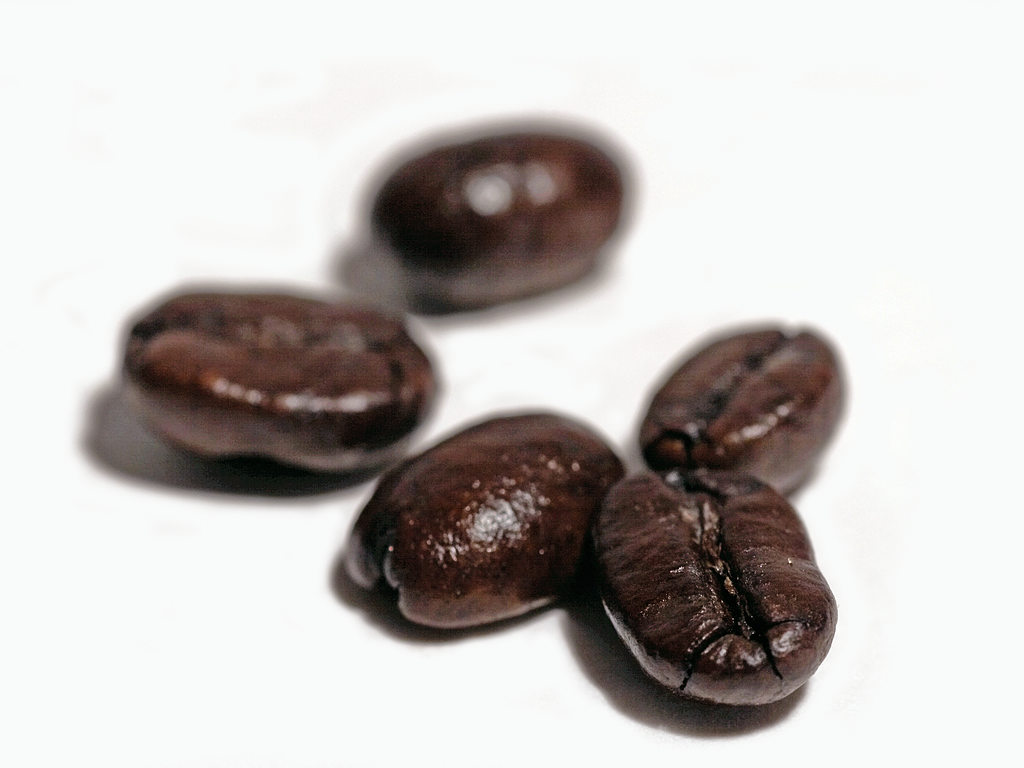
1. The Coffee Beans Whole beans stay fresh longer
 It is best to buy as soon after roasting as possible. Ideally, you should purchase your coffee fresh every 1 – 2 weeks; and buy only the quantity that you need to last for that period of time.

2. The Grind
 Always grind your beans as close to the brew time as possible.

Do not underestimate the importance of the grind to the taste of your coffee. They type of grind used in a particular machine can alter the taste and flavor of coffee. The general “rule of thumb” is the longer the extraction period (the time water spends in contact with the grounds) the coarser the grind should be. Generally coffee is finely ground for espresso and coarsely ground for a French press machine. Drip coffee machines fall somewhere in the middle. Experiment with the grind and your favorite coffee to get the perfect result. If you have your coffee ground in the store, specify the grind or let them know what type of machine you are using so they can grind accordingly.

3. The Water
 The water you use is VERY important to the quality of your coffee. Its best to use filtered or bottled water. If you are using tap water let it run a few seconds before filling your coffee pot. Be sure to use cold water. Do not used distilled or softened water. Some Krups coffee machines use a unique filtration system that removes traces of chlorine for a better taste and reduces mineral deposits for longer machine life. The ratio of coffee to water is also very important. Use the proper amount of coffee, which is typically 1 to 2 tablespoons of ground coffee for every six ounces of water. This can be adjusted to suit individual taste preferences. Be sure to check the “cup” lines on your brewer to see how they actually measure.

4. Water Temperature During Brewing
 Your coffee machine should obtain a water temperature between 195 – 205 degrees Fahrenheit when brewing. Water temperatures below this temperature will result in flat, weak coffee while water that is too hot will scald the grounds and result in poor tasting coffee.

5. Brewing Time
 The amount of time that the water is in contact with the coffee grounds is another important factor affecting the taste of your coffee. If the taste of your coffee is not optimal, it is possible that it is either over-extracting (the brew time is too short). the type of filter used – gold tone, paper, flat or cone – also effects the contact time. Experiment with the contact time until you can make a cup of coffee that suits your tastes perfectly.

Krups’ Deep Brew Technology, a feature of most Krups coffee machines, eliminates any room for error because it heats water to an ideal temperature, then pulses it through the coffee grounds at precisely timed intervals, resulting in rich, fully flavored coffee.

6. After Coffee Has Been Brewed
 Brewed coffee should be enjoyed immediately. It is recommended to use a pre-heated mug or coffee cup to maintain optimal temperature. If the coffee is not served immediately, it is recommended to pour the coffee into an insulated thermos and serve within 45 minutes. Remember: never reheat your coffee. Thermal coffee machines, such as the Krups Aroma Control Therm, are an ideal way to brew and store coffee while maintaining freshness because it does not require a warming plate which makes coffee bitter over time.

7. Enjoy Your Coffee!
 Take a moment to smell the aroma and taste the flavor. A thoughtfully prepared cup of coffee will make for a much more enjoyable coffee experience.

Filed Under: Cooking, Kitchen, Small Appliances, _ Tips

  • « Go to Previous Page
  • Go to page 1
  • Interim pages omitted …
  • Go to page 6
  • Go to page 7
  • Go to page 8
  • Go to page 9
  • Go to page 10
  • Go to page 11
  • Go to Next Page »

Primary Sidebar

[footer_backtotop]

© 2006-2019 Appliance.net · Log in